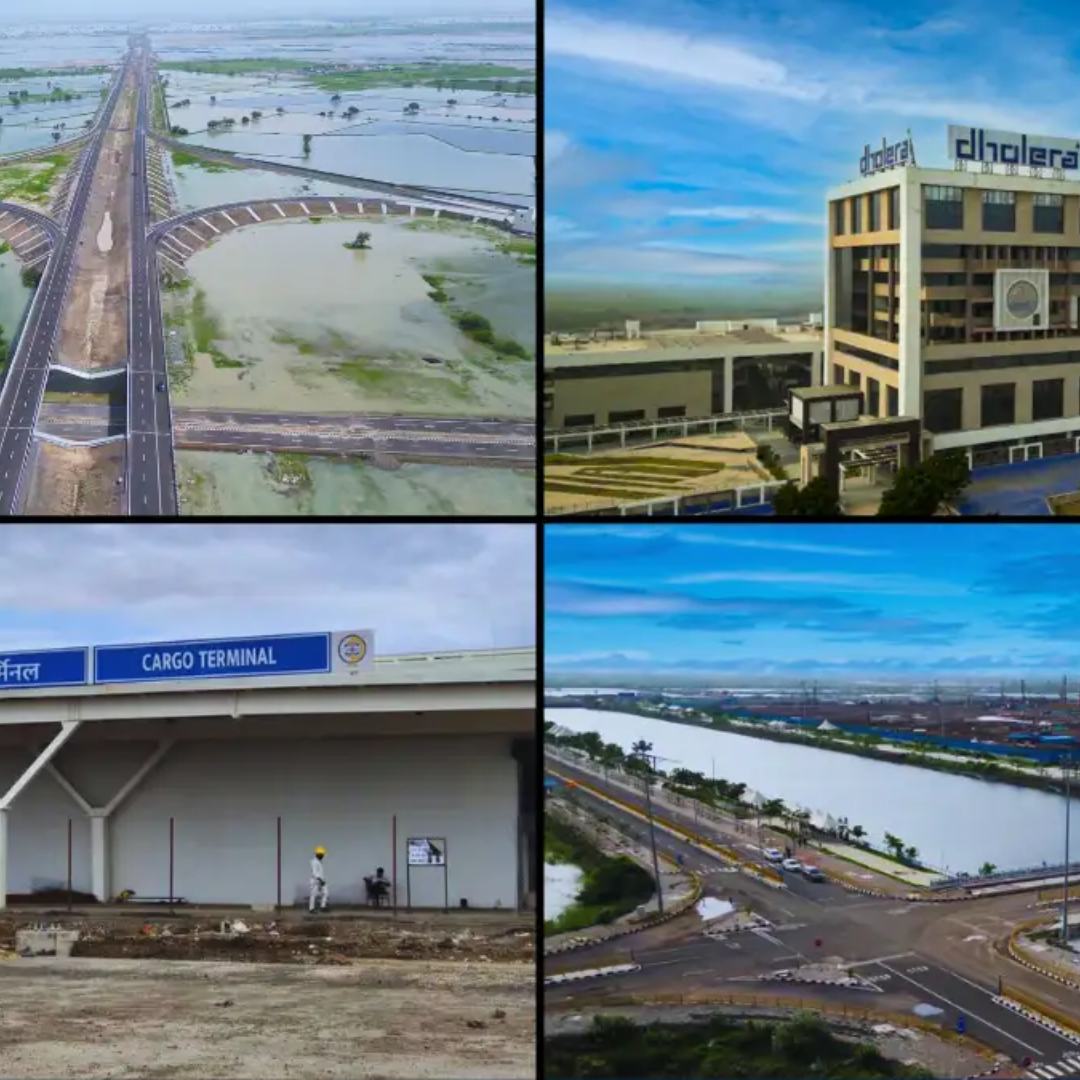
Foundation stones laid for multiple projects

200-bed hospital
fire station
integrated school
Meanwhile construction of Tata's semiconductor plant is progressing rapidly

Foundation Stones Laid for Multiple Projects: A Strong Push Toward Accelerated Development
Foundation Stones Laid for Multiple Projects: A Strong Push Toward Accelerated Development
The laying of foundation stones for multiple projects marks a significant milestone in the development journey of any region. More than a ceremonial occasion, it signals a decisive shift from planning and approvals to on-ground execution. When several projects are launched together, it reflects strong governance, coordinated planning, and a clear commitment to long-term growth.
Across emerging urban centers, industrial corridors, and smart city regions, such milestones indicate that development momentum is building and transformation is underway.
From Planning Tables to Construction Sites
Every large infrastructure or development project goes through multiple stages—conceptualization, feasibility studies, approvals, land acquisition, and funding. The foundation stone ceremony represents the successful completion of these critical phases and the start of physical construction.
When foundation stones are laid for multiple projects simultaneously, it highlights:
-
Administrative readiness and policy alignment
-
Availability of financial and technical resources
-
Integrated planning across infrastructure, industry, and urban development
-
A clear shift from announcements to measurable action
This transition from vision to execution builds credibility and trust among stakeholders.
Types of Projects Driving Regional Growth
Foundation stone ceremonies often cover a wide spectrum of projects, each playing a vital role in holistic development. These typically include:
-
Transportation infrastructure such as roads, highways, expressways, and rail links
-
Industrial and manufacturing facilities that generate employment and economic output
-
Urban infrastructure including water supply, power networks, drainage, and waste systems
-
Residential and commercial developments aligned with future population growth
-
Social infrastructure like healthcare centers, educational institutions, and public amenities
Together, these projects create a balanced ecosystem that supports sustainable growth.
Economic and Employment Impact
One of the most immediate outcomes of launching multiple projects is employment generation. Construction activity creates jobs directly, while also stimulating demand for materials, logistics, and services.
As projects progress, regions often experience:
-
Increased local employment opportunities
-
Growth in small and medium businesses supporting construction and services
-
Improved connectivity reducing operational costs for businesses
-
Rising economic activity and disposable incomes
Over time, these effects strengthen the local economy and improve overall quality of life.
Why Infrastructure Execution Matters to Investors
For investors and businesses, execution matters more than announcements. Visible progress on the ground reduces uncertainty and signals long-term commitment from authorities.
The laying of foundation stones for multiple projects indicates:
-
Lower execution and regulatory risk
-
Clear development timelines
-
Government and institutional backing
-
Long-term vision rather than short-term speculation
Historically, regions that witness early infrastructure execution tend to deliver stable and sustained value appreciation in real estate and commercial activity.
Smart Cities and Integrated Development Approach
In planned cities and smart regions, foundation stone ceremonies carry even greater importance. These regions are developed under a master plan where infrastructure, industry, housing, and services grow in sync.
Launching multiple projects together ensures:
-
Structured and phased development
-
Efficient use of land and resources
-
Reduced chances of unplanned urban sprawl
-
Sustainable growth aligned with future demand
This integrated approach helps cities scale efficiently as population and economic activity increase.
A Positive Signal for Businesses and Communities
The launch of multiple projects sends a strong message to the market. For businesses, it indicates readiness for expansion. For residents, it promises better infrastructure, jobs, and services. For communities, it creates opportunities for long-term prosperity.
Such milestones often mark the beginning of a new growth cycle, where early participation—whether by businesses, residents, or investors—can lead to compounding benefits over time.
Conclusion
The laying of foundation stones for multiple projects represents a defining moment in any region’s development journey. It reflects preparedness, coordination, and a strong commitment to infrastructure-led growth. More importantly, it transforms plans on paper into tangible progress on the ground.
As construction advances and projects move toward completion, these early milestones will be remembered as the turning points that set long-term transformation in motion. For those tracking India’s evolving development landscape, such events clearly highlight where growth is happening—and where the future is being built.
Other Posts
Dholera SIR India's first semiconductor plant
06 Mar 2025

UNVEILING THE GATEWAY TO INDIA'S FUTURE
06 Mar 2025
DHOLERA METRO RAIL
06 Mar 2025
TATA SOLAR PARK
06 Mar 2025
DHOLERA SMART CITY MEGA PROJECTS
06 Mar 2025